
Summary
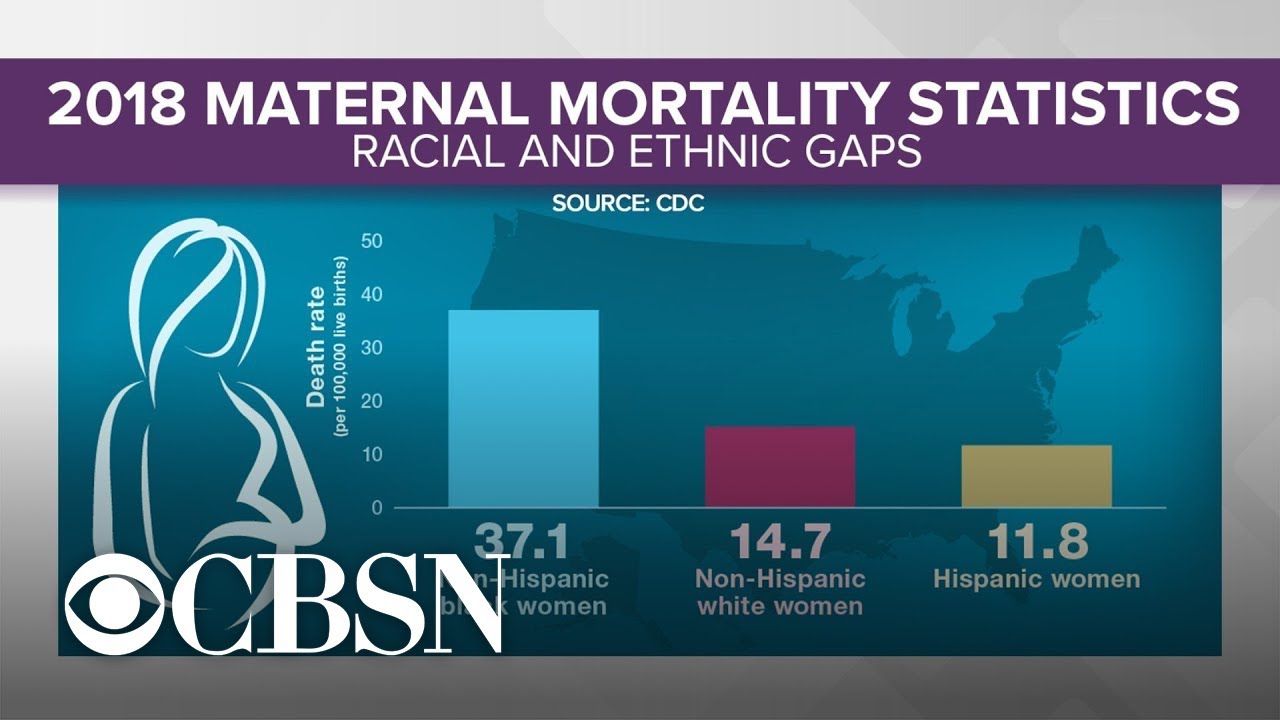
California's Medi-Cal program will now cover doula services at a rate of **$1,154 per birth**, more than double the initial proposal of **$450**. Advocates argue this move is essential for professionalizing the doula profession, which has been linked to improved maternal and infant health outcomes. However, some doulas express dissatisfaction, claiming the new rate still doesn't reflect the true value of their services, especially in a high-cost state like California. The funding is part of a **$10.8 million** annual budget, with hopes of addressing systemic disparities in maternal health, particularly for Black mothers, who face significantly higher mortality rates during childbirth.
Key Takeaways
- California's Medi-Cal will now reimburse doulas **$1,154** per birth, up from **$450**.
- The new funding aims to improve maternal health outcomes, particularly for marginalized communities.
- Critics argue the rate is still insufficient for the demands of doula work in a high-cost state.
- Doulas have been shown to improve birth outcomes, including lower cesarean rates.
- The policy is part of a broader effort to address systemic disparities in maternal healthcare.
Balanced Perspective
From a neutral standpoint, the facts indicate that California's decision to cover doula services at **$1,154** per birth is a response to previous criticism of the initial **$450** rate, which many deemed unsustainable. While this increase is welcomed by some advocates, others argue it still falls short of the **$3,600** doulas sought for comprehensive support. The funding plan, which will cost **$10.8 million** annually, is aimed at improving maternal health outcomes, particularly for marginalized groups. The effectiveness of this policy will depend on its implementation and the actual number of doulas willing to accept Medi-Cal patients.
Optimistic View
The optimistic view is that this increase in Medi-Cal coverage for doulas is a significant step toward recognizing the importance of nonmedical support in childbirth. **Doulas have been shown to improve outcomes** such as lower cesarean rates and better breastfeeding rates, which could lead to healthier families overall. With the new rate of **$1,154**, California is now among the states leading the way in doula compensation, potentially attracting more professionals to the field and improving access for low-income families. This could also set a precedent for other states to follow suit, further integrating doulas into the healthcare system.
Critical View
Critics of the new Medi-Cal doula rate argue that despite the increase, it remains inadequate for the demands of the job. **Samsarah Morgan**, a veteran doula, expressed that the new rate is not a living wage, particularly in a state with a high cost of living. The limited reimbursement for postpartum visits and the unpredictability of doula work mean that many may still choose not to accept Medi-Cal patients. Additionally, the unregulated nature of the doula profession in California raises concerns about the quality and consistency of care provided, which could undermine the intended benefits of this policy.
Source
Originally reported by California Healthline